Serving Metro Atlanta | Fully Insured | Free Inspections 855-552-7295

Basement Waterproofing

Basement Waterproofing in Atlanta

A wet basement only gets more expensive the longer you look at it — it rots framing, ruins what you're storing, and quietly works on your foundation. If yours takes on water, whether after every storm or just once in a while, you've probably got two questions: how do you actually fix it, and who do you trust to do it right. We're Crawl Daddy. We find where the water's getting in, stop it at the source, and repair what it already damaged. We don't guess, and we don't seal over a problem and hope it holds.

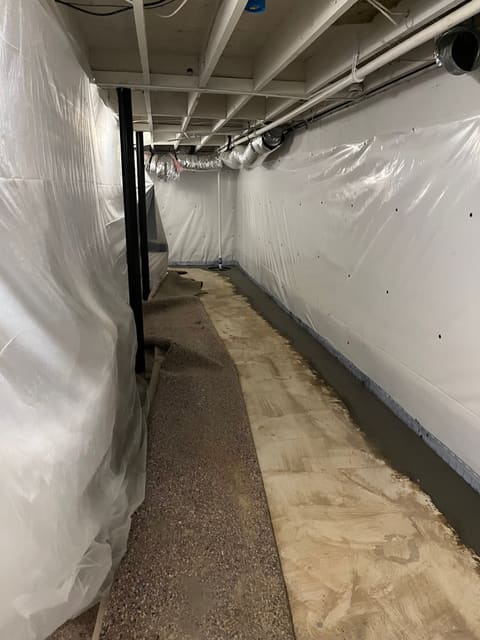
Finished, dry basement with a sealed interior drainage system and sump in a Metro Atlanta home — Crawl Daddy basement waterproofing
Atlanta-Owned Pros who care on every job
0% Interest 2yr financing available
Fully Insured For peace of mind
Warranty Backed by a written agreement

Basement water, the straight version

How do you waterproof a basement?

Waterproofing a basement means managing water at the points where it gets in and giving it somewhere to go. For most Atlanta basements that's a mix of three things: an interior drain at the footing that catches water and routes it to a sump pump, sealing the cracks and cold joints where water pushes through, and exterior work when the wall or the grade itself is the problem. The right combination depends on where your water is actually coming from.

Here's what each piece does:

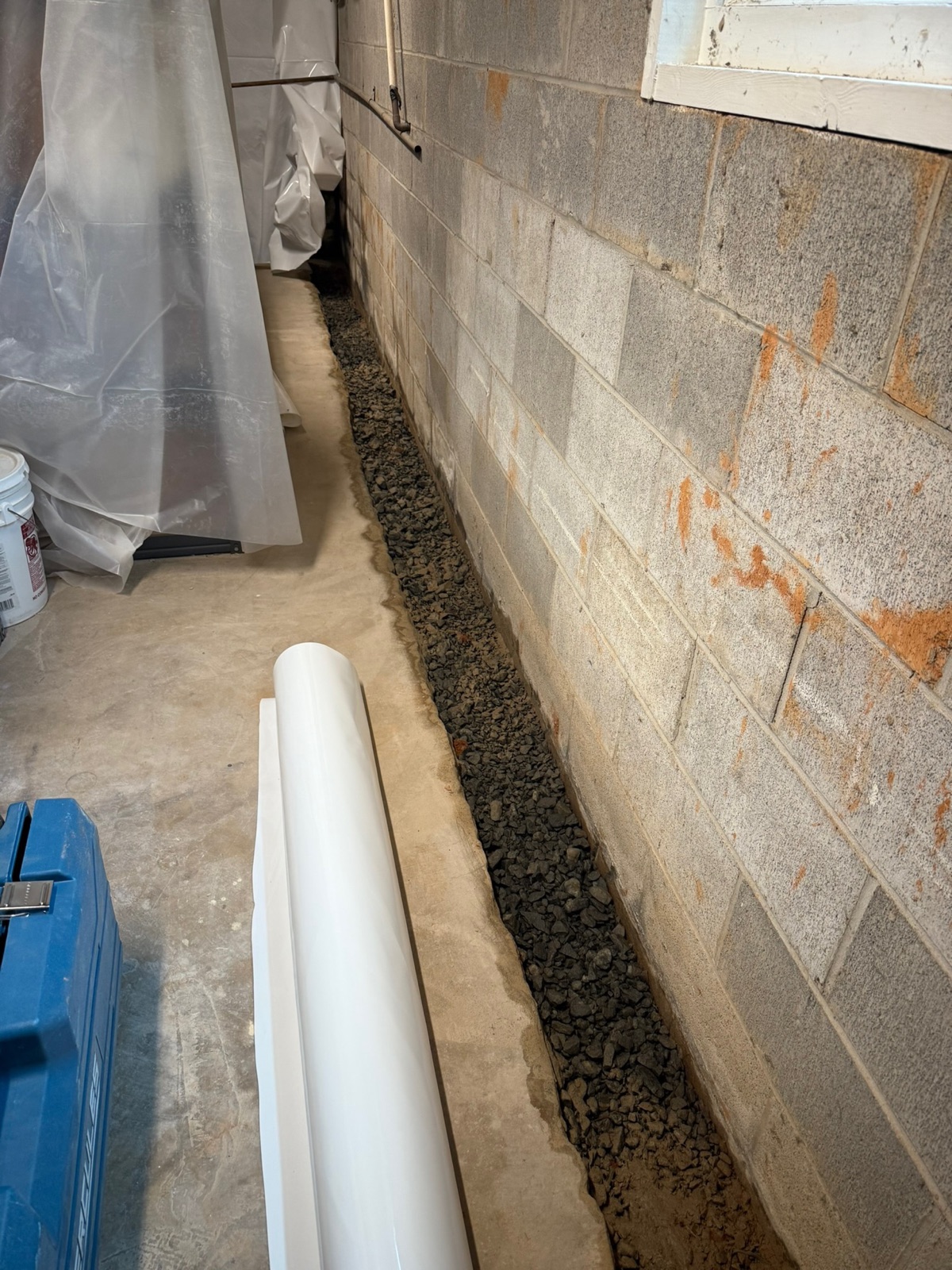
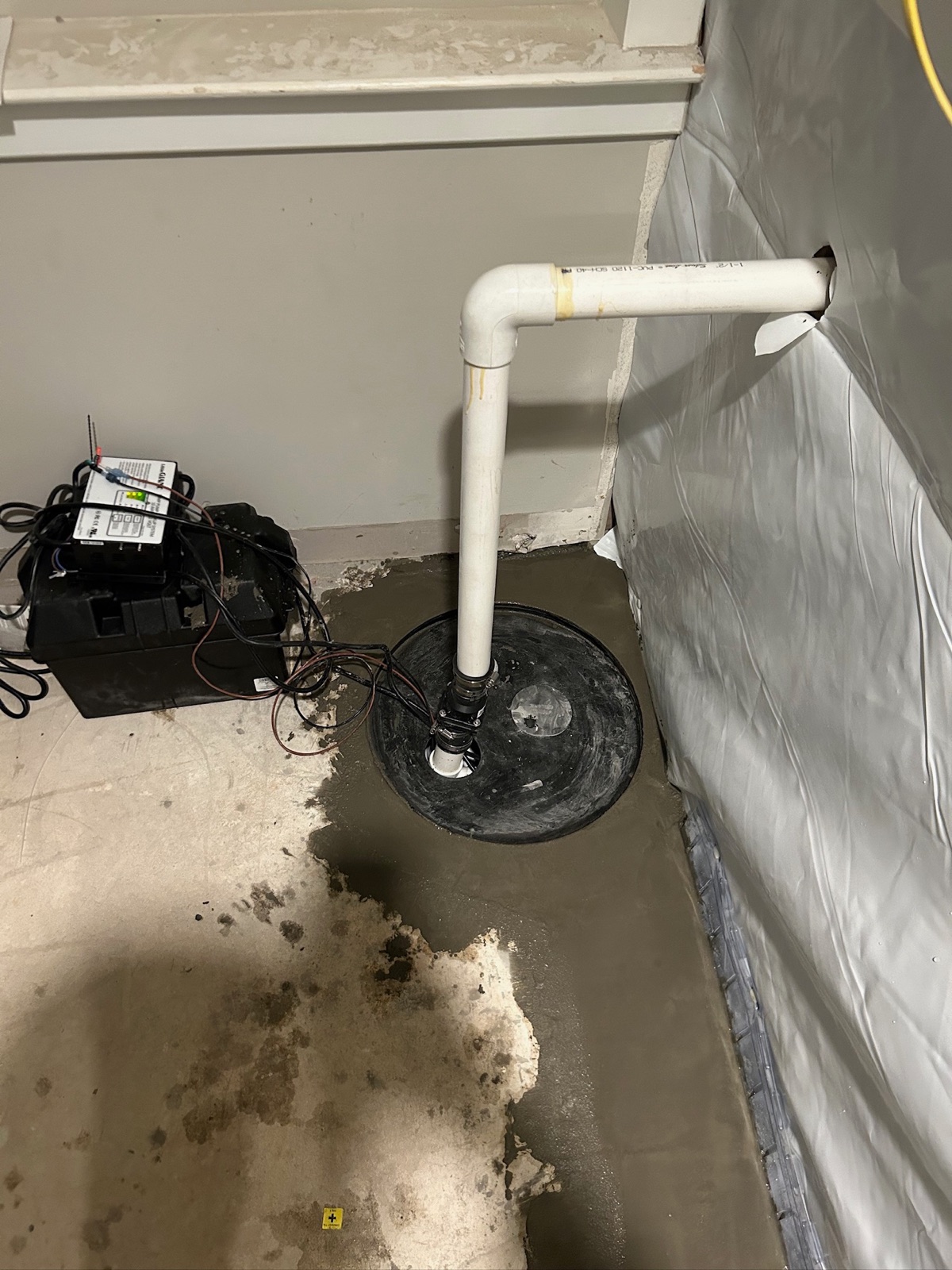
  • Interior drainage and a sump pump. An interior French drain at the footing collects water and the sump moves it out. This is the workhorse fix for the majority of Atlanta basements.
  • Crack and cold-joint repair. We seal the foundation cracks and the wall-floor seam where water is pushing through under pressure.
  • Exterior waterproofing. Excavating down to the footing, sealing the outside of the wall, and correcting the grade and drainage — the bigger job, reserved for when the wall or the slope of the yard is what's driving the water.

And if the pressure has the wall actively bowing or cracking, that crosses into structural territory — see our foundation repair work, because at that point you're stabilizing the wall, not just draining the floor.

Interior vs. exterior basement waterproofing: which do you need?

This is the decision most homeowners are really trying to make, so here's the honest comparison. The short version: interior work manages water once it reaches the foundation, and exterior work keeps it off the wall in the first place. One is not simply the upgrade of the other — they solve different problems, and which you need comes down to why your basement is wet.

Interior waterproofingExterior waterproofing
What it isDrain at the footing, sump pump, and crack sealing — all from insideExcavate down to the footing, seal the outside of the wall, fix grading and drainage
SolvesWater that's already reaching the foundationWater before it ever touches the wall
InvasivenessLower — works from inside, no digging up the yardHigher — excavation around the house
Scale of jobContained, often a day or twoThe bigger, more involved job
Best whenMost Atlanta leaks — water entering at the floor-wall seamThe wall itself is failing, or the grade dumps water at the house

Most homes do just fine with interior work, and that's what we recommend when it's the honest answer. We only point you toward exterior excavation when the problem genuinely calls for it — not to run up the invoice. And if the wet area turns out to be under a crawl space rather than a true basement, the fix is different again; that's crawl space waterproofing.

Why does water come into my basement after heavy rain?

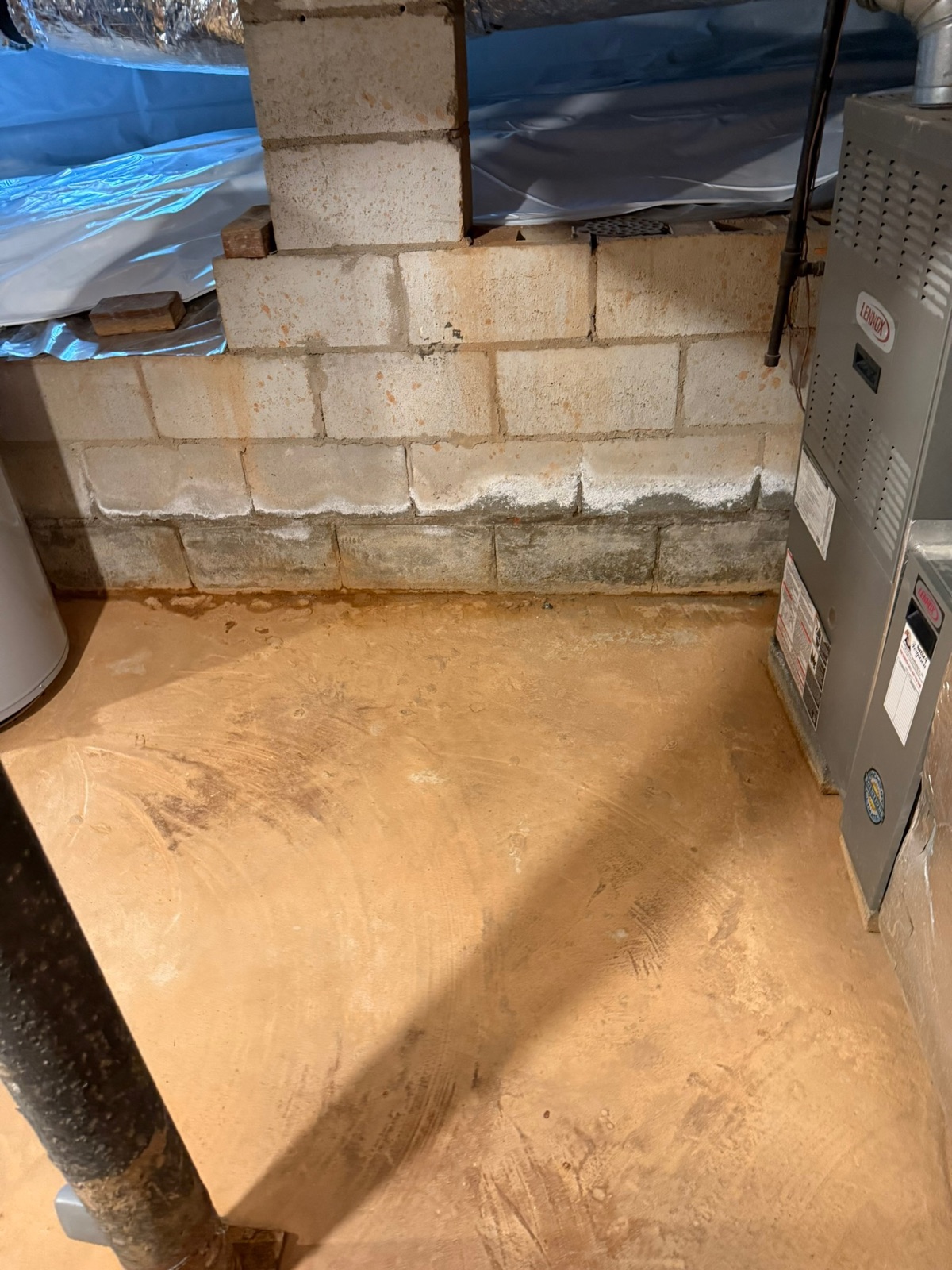
After a hard Atlanta rain, water saturates the clay around your foundation and builds pressure against the walls and floor. That force — hydrostatic pressure — pushes water through any crack, cold joint, or gap it can find. So the leak you see inside is really a drainage problem outside, which is exactly why patching the wet spot never holds: you have to manage the water, not just plug the hole where it shows up.

It's also why a basement can stay dry for months and then flood out of nowhere. The crack was always there; it took a saturated yard and enough pressure behind it to start moving water through.

Why do Atlanta basements leak in the first place?

It comes down to our soil. Atlanta sits on red clay, and red clay is expansive — it swells when it's wet, shrinks when it dries, and drains slowly the whole time. After a storm it holds water against your foundation long after the rain has stopped, and that standing water keeps the pressure up and finds the weak points in the wall.

Then there's the housing stock. A lot of homes around Decatur, Druid Hills, and Kirkwood were poured before modern drainage standards, often with no interior drain at all and footings that were never built for what our clay does over fifty years. We've spent enough time in Atlanta-area basements to know what your soil and your home's era tend to throw at us, and reading that right is half of getting the fix right.

What does basement waterproofing cost in Atlanta?

It depends on what's wrong and where the water's coming from, which is why the free inspection is where you get a real number. That said, we'd rather give you a starting point than hide behind "call for a quote." Interior drainage with a sump pump typically starts around $3,000. Exterior waterproofing — excavating to the footing and sealing the wall from outside — is the bigger, more expensive job, and it varies with complexity, soil, and how your yard drains.

What affects the priceWhy it moves the number
Interior vs. exteriorExterior excavation is a substantially larger job than an interior drain and sump.
Length of the affected wallMore linear feet of footing means more drain to run and more wall to seal.
How the water's getting inA single crack is a smaller fix than a wall leaking along its whole base.
Existing damageFraming, flooring, or finishes the water already ruined add repair to the scope.
Grading and yard drainageWhen the slope or downspouts dump water at the house, fixing that is part of the cure.
Finished vs. unfinishedWorking around finished walls and flooring takes more care and time.

The inspection is free, and we put the scope and price in writing before you commit. For bigger projects we offer interest-free financing, and every repair we make carries a 2-year warranty.

How It Works

Four steps. No confusing jargon.

We keep the process simple and transparent so you know exactly what to expect before anyone starts work.

  1. Inspection

    We evaluate the crawlspace or basement and document what we find with photos and moisture readings.

  2. Assessment

    We review moisture levels, drainage, and structural integrity to understand the full picture.

  3. Clear Plan

    You receive a practical proposal tailored to your property. No jargon, no pressure, no surprises.

  4. Repair

    Our team performs the work and walks you through the result so you see exactly what was done and why.

What We Do

How we waterproof an Atlanta basement

Waterproofing is a set of fixes matched to where your water's coming from. Here's each piece and what it's actually for.

Interior drainage system

An interior French drain set at the footing collects water before it reaches your floor and routes it to the sump. It's the workhorse fix under most Atlanta basements — contained, effective, and done without digging up the yard. We tie it into the wall-floor seam where leaks usually start.

Sump pump installation

Once a drain collects the water, the sump pump is what actually gets it out and away from the house. We size the basin and pump to your basement, set it where the water collects, and make sure it discharges far enough out that it isn't just circling back. A battery backup is worth it where storms and outages come together.

Crack and cold-joint repair

Foundation cracks and the cold joint where the wall meets the floor are the seams hydrostatic pressure exploits first. We seal them from the inside so water stops pushing through under pressure. Where a crack is structural rather than just a leak path, we'll tell you and bring the right fix instead of caulking over it.

Exterior waterproofing & grading

When the wall itself is failing or the yard is steering water at the foundation, the fix moves outside: excavate to the footing, seal the exterior of the wall, and correct grading and drainage so water heads away from the house. It's the bigger job, and we only recommend it when the problem genuinely calls for it.

Real Atlanta basements

Homeowner Proof

What Atlanta homeowners say.

Extremely happy and grateful for the service I received. They came out the same day I called for an estimate and provided it right away. I loved the entire experience, and would definitely recommend them and use them again.
Danielle Weng · Google review
Locally owned and operated in Metro Atlanta Read our Google reviews

Frequently Asked

Common questions

How do you waterproof a basement?
By managing the water where it gets in: an interior drain at the footing routed to a sump pump, sealing cracks and the wall-floor seam, and exterior work when the wall or grade is the problem. The right mix depends on where your water's actually coming from, which the free inspection pins down.
Is interior or exterior basement waterproofing better?
Neither is universally better — it depends on the source. Interior drainage and a sump solve most Atlanta leaks at lower cost and with less disruption. Exterior excavation is the right call when the wall itself is failing or the grade is dumping water at the house. We'll tell you honestly which yours needs.
How much does basement waterproofing cost in Atlanta?
Interior drainage with a sump pump typically starts around $3,000. Exterior excavation is the bigger, more expensive job and varies with complexity, soil, and how your yard drains. The free inspection gets you a real number in writing, and interest-free financing is available for larger jobs.
Why does my basement leak after heavy rain?
Rain saturates the clay around your foundation and builds pressure against the walls and floor, pushing water through cracks and the wall-floor seam. The fix is managing that water with drainage and a sump, not just patching the spot where it shows up inside.
Do I need a sump pump?
If water reaches your basement floor, usually yes — a sump is what moves the water out once an interior drain collects it. If your basement drains well enough without one, we'll tell you that instead of selling you a pump you don't need.
Can you waterproof a finished basement?
Yes. It takes more care to work around finished walls and flooring, and sometimes we open a small section to install drainage, but a finished basement can absolutely be waterproofed.
What should I do if my basement is flooding right now?
Kill power to the affected area if it's safe to reach, move what you can up off the floor, and stay out of standing water with anything electrical running. Then call us — we're available 24/7 for active flooding, so you're not waiting while the water sits and the damage spreads.
Does homeowners insurance cover basement water damage?
Often not for gradual seepage or groundwater, which carriers usually treat as maintenance, though sudden events can be different. Check with your carrier — we can't speak for your policy, but we'll document exactly what we find so you have it on record.
Do you offer financing?
Yes. We offer interest-free financing, so you can spread the cost out without paying extra over time. We'll walk you through the options when we scope the job.
Do you serve my area?
We work across metro Atlanta — Atlanta, Marietta, Sandy Springs, Decatur, Lawrenceville, Alpharetta, Douglasville, and McDonough, plus the surrounding area. Not sure if you're in range? Check our service areas or just ask when you book your inspection.

Don’t Wait Until It’s Major

Get a clear plan for the space below your home.

Schedule a crawlspace or basement evaluation and understand what needs attention — no pressure, no obligation.

Free & No Obligation

Schedule Your Inspection

Tell us what’s happening under the house. We’ll follow up within one business day.

We respond within one business day. Prefer to talk now? Call us directly.